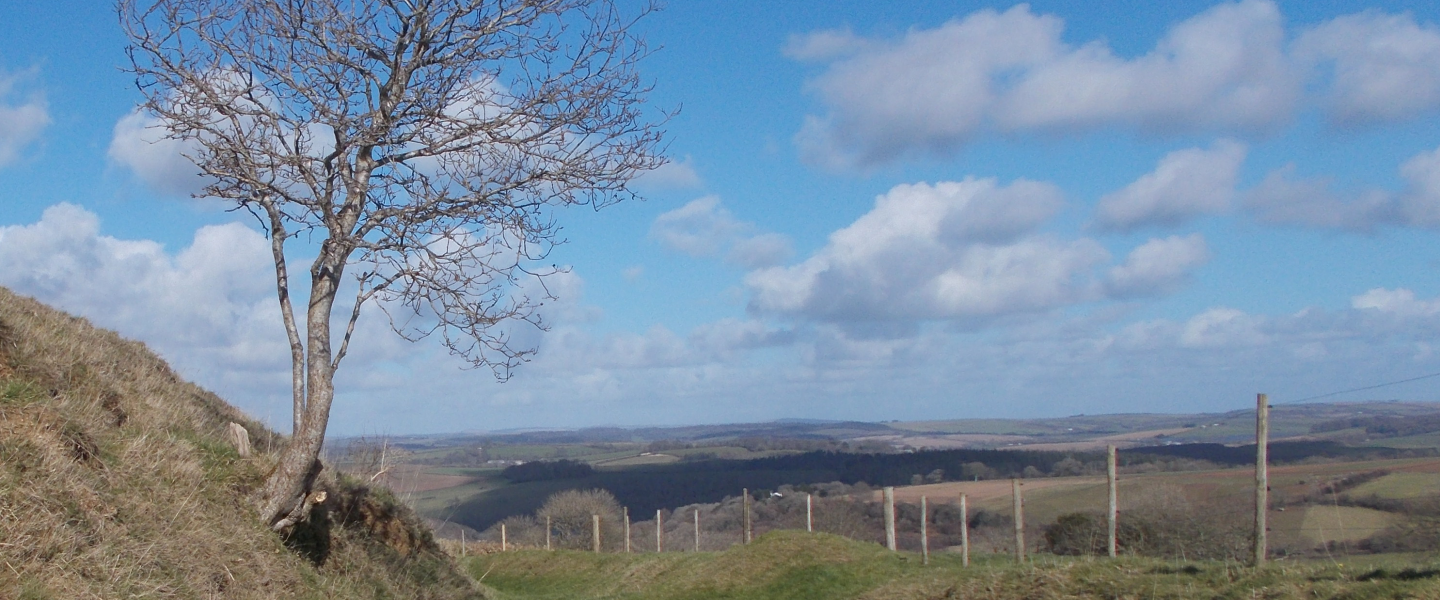
On a cold morning in early November 1820 in the small hamlet of Coppathorne in Poundstock parish in north Cornwall, my great-great-great grandfather Thomas Rodd might have been found getting ready to go out to his job labouring at a nearby farm. Thomas had been born to the east in the border parish of North Petherwin in 1780, then technically a part of Devon. Following the usual pattern of labouring families, he’d left home to work as a farm servant.
In doing so, at some point before 1806 he’d landed up on the altogether bleaker, windswept and largely treeless plateau near the coast at Poundstock. There, he’d met Mary Budd, seven years his junior, who hailed originally from Kilkhampton in the far north. Thomas and Mary had been in no hurry to get married. Cornwall’s labouring poor often put off the expense of setting up a new home for as long as possible.
By August 1806 it could be delayed no longer. Mary was six months pregnant when she walked down the aisle of Poundstock church and their first child Ann arrived less than three months after their wedding. By 1820 a child had duly followed every couple of years – another four boys and two girls. But the family was lucky. Only one seems to have died young. Elizabeth, born in the winter of 1808/09 succumbed to some childhood illness in January 1814.
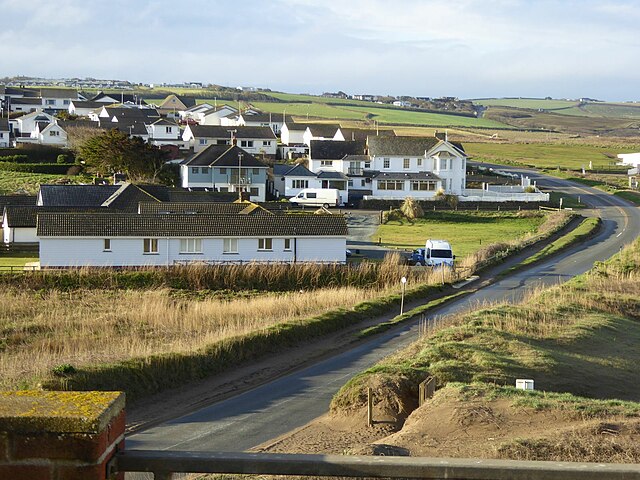
At least two of the children had been born at Widemouth, up the hill from the bay of the same name. At that time, Widemouth Bay was a remote and deserted spot without the rash of holiday villages and bungaloid sprawl that now disfigures its landscape. The Rodds hadn’t moved far though, just half a mile inland to Coppathorne. By then Thomas’s father, also a labourer and also named Thomas, a widower aged 69 years, had joined the pair and their six surviving children in what was probably a very overcrowded cottage.
Before Christmas 1820, both Thomas and his father were dead. Thomas senior was buried in Poundstock churchyard on the 20th November and his son followed him just eight days later.
What had killed them? The probability is an infectious disease, maybe typhus or typhoid, which were endemic at that time, or dysentery brought on by poor living conditions. Or could there have been a disastrous accident involving the two of them? From the evidence of the parish registers none of the children died at the same time.
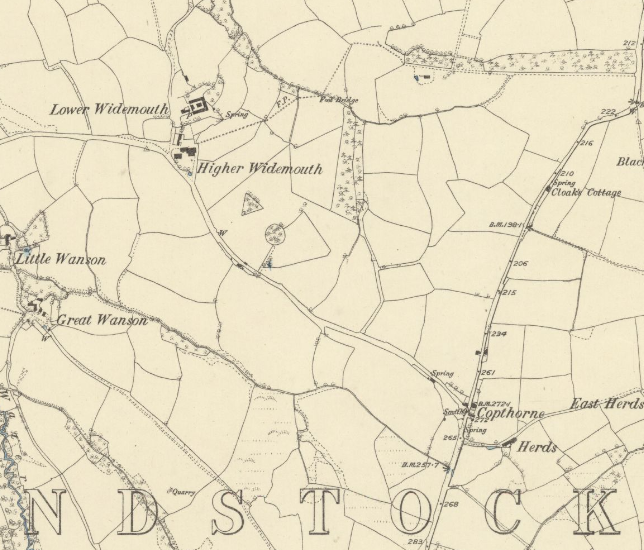
Bad luck clung to the family after this crisis. Mary took her children from the ill-fated Coppathorne another half a mile down the road to nearby Bangors. But fate followed them just five months later when one of Thomas’s sons, ten-year old Thomas, was also buried at Poundstock, making it three generations of Thomas Rodds to have perished in less than six months. Had the youngest Thomas been laid low by the same thing as his father and grandfather?
Mary looks not to have remarried and may be the Mary Rodd of the right age who died at Cross in Launcells parish in 1835. It might have been expected that later generations of Rodds would have avoided the forename Thomas, but two generations later, the Coppathorne crisis apparently forgotten, another Thomas Rodd can be found back in the branches of the family tree.
If you find the material on this site of use then you may be interested in my recent books published under the Coserg imprint. For a list see here.


It is so nice you are back!
Just on the sharing of names. I did yet more family research recently (diff side of FT) and found that my great grandfather’s (Joseph) first wife (Margaret) lost five from nine children, including a Joseph and Margaret. They died within months to three years of their birth. This is around 1870 onwards. She died aged 38 (given the dates of her children’s births and deaths a pregnancy-related birth seems likely).
The second wife lost no children (apart from one in Gallipolli). Two of her children had the same names as those who had died in the first round. Those two names are Joseph and Margaret (so it looks like the poor second wife had to put up with one of her daughter’s being named in memory not only of a dead children but also her predecessor)
I do not think that people thought it unlucky to name family members after deceased forebears if they died young. Clearly many people were named at that time after relatives, and whether they died young or not was perhaps neither here nor there in a time of high mortality.
LikeLiked by 1 person
Fantastically interesting article! Thank you!
LikeLike