In the new edition of Cornwall’s First Golden Age the most extensive changes occur when discussing the earliest period – the fifth and sixth centuries. The original chapter 2, with some material from later chapters and new content, has been restructured into three separate chapters focusing in turn on Tintagel, Dumnonia and the issue of monarchy or its absence.
Historians have been reluctant to question the existence of a fully-functioning kingdom of Dumnonia that existed down to 700 and in some accounts as late as the 800s. There is usually an implied continuity as the Roman province of Dumnonia was somehow transformed into the kingdom of Dumnonia. Yet the details of this transformation are not spelt out, while Cornwall is usually relegated to the status of a ‘sub-tribal’ appendage. Chapter 3 of Cornwall’s First Golden Age critiques this consensus view and restores Cornubia to its rightful place in the post-Roman story.
Before that, chapter 2 sets the scene by reviewing the astonishing tale of Tintagel. It’s difficult to imagine it nowadays, but behind the English Heritage [sic] tourist trap lies the presence of one of sixth century Britain’s major power centres. Tintagel’s status was assured by its role as the main entry port for goods from the more advanced civilisations clustering around the Mediterranean. These goods were then gifted onwards up the Atlantic seaboard. New archaeological research now suggests the presence of a Christian and literate elite on the Island as late as the 700s. This evidence is reviewed.
Chapter 3 then focuses on Dumnonia. It finds that direct evidence for a kingdom of Dumnonia or for a Dumnonian identity is surprisingly limited. We discover that neither of the two ‘kings’ who were identified as rulers in the south-west were explicitly titled kings of Dumnonia. Meanwhile, Dumnonia was suspiciously absent from later written Welsh sources. In consequence, the link between the obvious power-centre of sixth century Tintagel and a political entity called Dumnonia has to be reassessed.
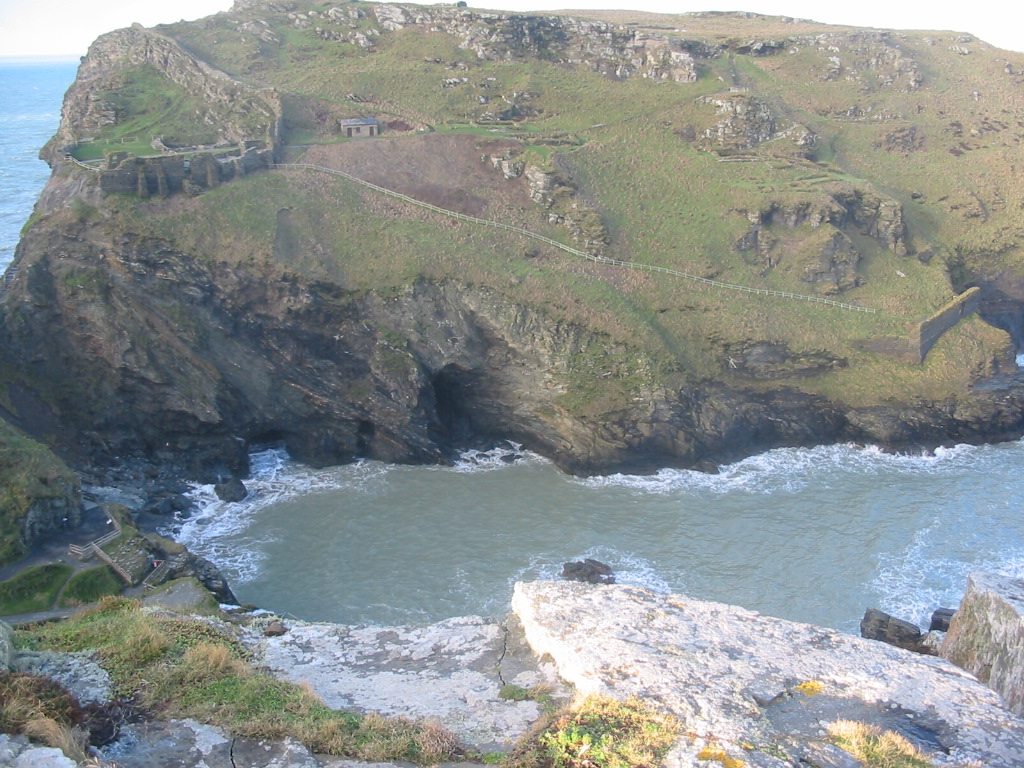
Early medieval historians now recognise that, on the margins of the sprawling Roman Empire, small kingdoms or chiefdoms emerged in the fourth century. As Rome found it ever harder to manage its far-flung empire these kingdoms were granted some autonomy in return for their enlistment in the struggle to maintain the imperial borders. It’s been suggested that Cornwall was the locality of one of these kingdoms. Doubts about the status of the Cornish within the Roman city-state of Dumnonia centred on Exeter have not diminished since the first edition of Cornwall’s First Golden Age. Indeed, if anything the opposite, as recent research suggests there were considerable material contrasts between what became Cornwall and Devon in the later Roman period continuing into the post-Roman centuries.
When the Roman city-state, like the rest of Roman Britain, collapsed into chaos in the early 400s, this precocious western chiefdom based in Cornwall, backed by its access to the resources supplied from its Mediterranean links, moved into the power vacuum and into Dumnonia. We know that by 700 Dumnonia had become just a vague territorial descriptor separate from Cornubia. It’s very likely that it had been so for at least a hundred years previously. It was not the fully-functioning proto-state that its proponents fondly imagine.
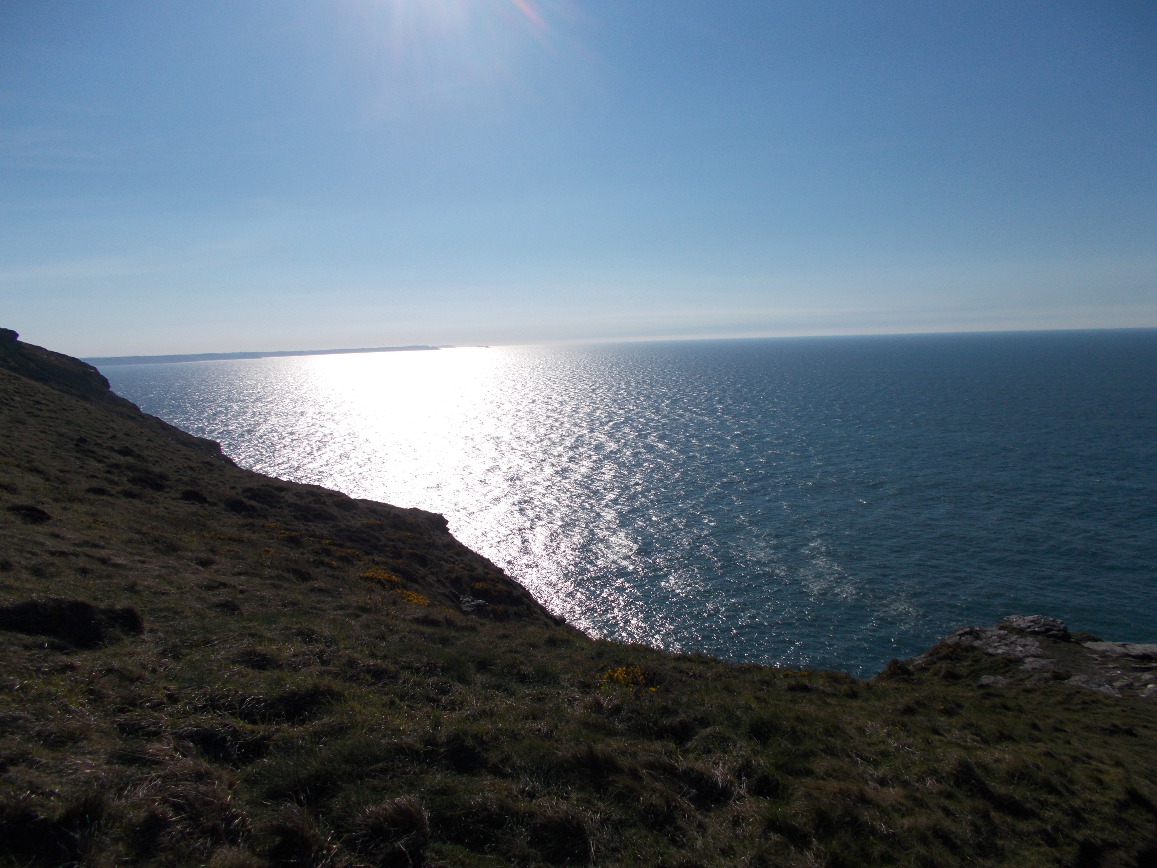
However, because of the residue of its former association with Rome, the new rulers of what was by the 500s a Greater Cornubia including what later became Devon and very possibly districts further east, may well have deliberately adopted the name of Dumnonia for their kingdom. As they basked in the reflected glory of Rome, they were involved in some way with the appearance of Domnonée in what became Brittany in the 500s. This – actually the best evidence for the existence of Dumnonia in Britain – was either a colony organised by the putative state of Cornubia/Dumnonia or named from the regional origins of its early rulers.
But this kingdom, with its centre west of the Tamar and one of the most powerful political units of sixth century Britain, was no more by the 600s. Its power, resting on trading links with the Mediterranean, collapsed in the late 500s, victim of the cessation of that trade. Aspiring ‘kings’ found it more difficult to maintain their hold over local communities, any overseas colonies went their own way, control over Devon perhaps became nominal. As hierarchies tumbled and kings vanished, they were replaced in the 600s by a turn to the local. Self-managed communities took back control, unencumbered by oppressive lordship and enjoying some peace and stability until the English arrived on the fuzzily-defined eastern borderlands in the late 600s.
 Cornish studies resources