We have seen that Cornish mines employed 30 per cent of the male labour force in 1861. But they also employed several thousand women on the surface, breaking up rock, washing it or picking out ore from rock. There were over 5,000 of these, known as bal maidens, across Cornwall, amounting to just under nine per cent of all unmarried women aged from 15 to 69, or around one for every six male miners.
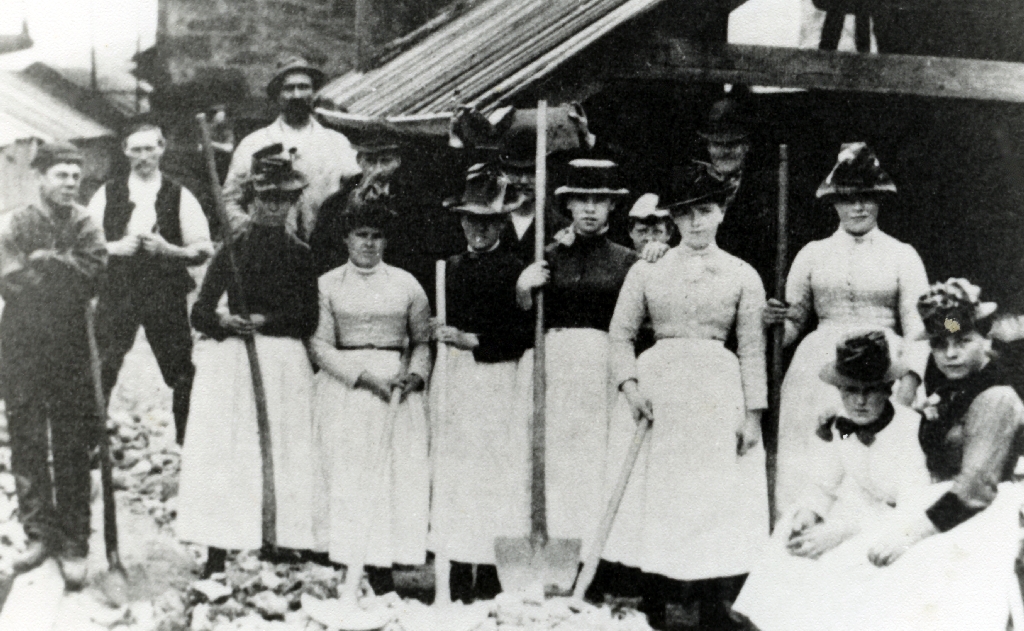
Bal maidens have tended to be the subject of either condemnation or admiration since the early 1800s. They’ve been condemned by (male) moralists in the mid-1800s as untutored in domestic skills and therefore making incapable wives who were unable to cook a proper pasty. In photographs later in the century they were romanticised wearing their distinctive and picturesque clothing and valorised more recently as feisty, independent souls enjoying uncharacteristic freedom in the years between childhood and marriage.
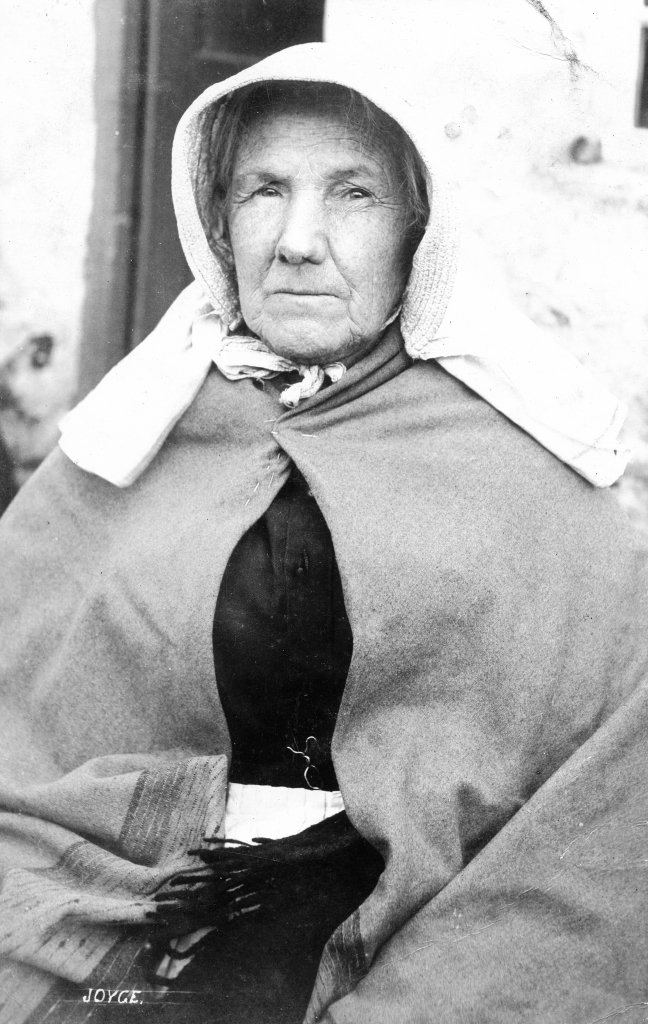
Unlike their brothers, the bal maiden’s career at the mine was likely to have been relatively short, curtailed by early marriage and child-bearing. Given a higher turnover, the total number of bal maidens at any one point in time therefore hides a much larger number who would have enjoyed (or endured) a spell working at the mine.
Moreover, the geography of bal maidens was even more concentrated than that of the male mines labour force in the 1860s. While around a quarter of men described as miners lived in the four parishes of the Central Mining District, that proportion rose to getting on towards a half all bal maidens.
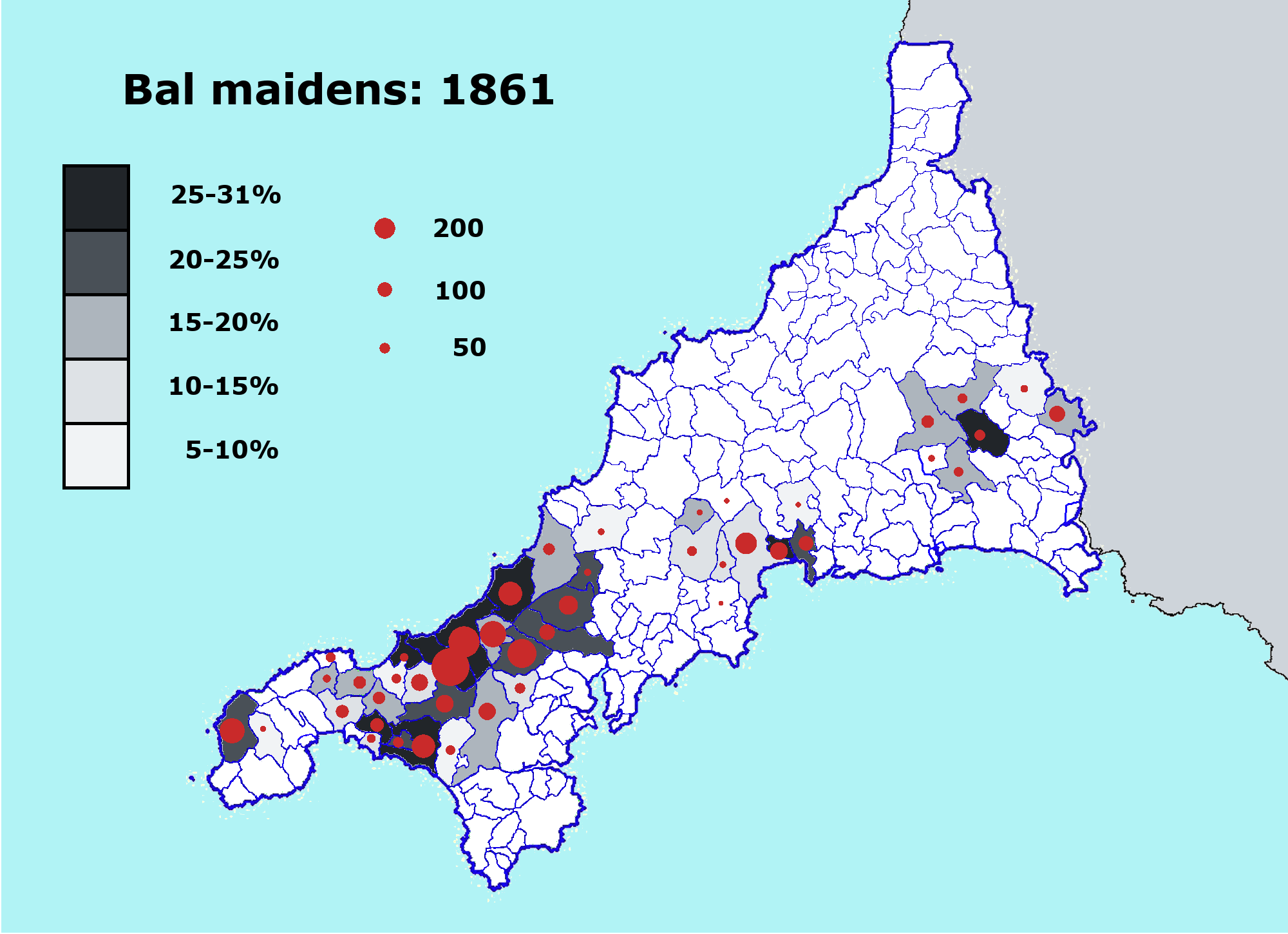
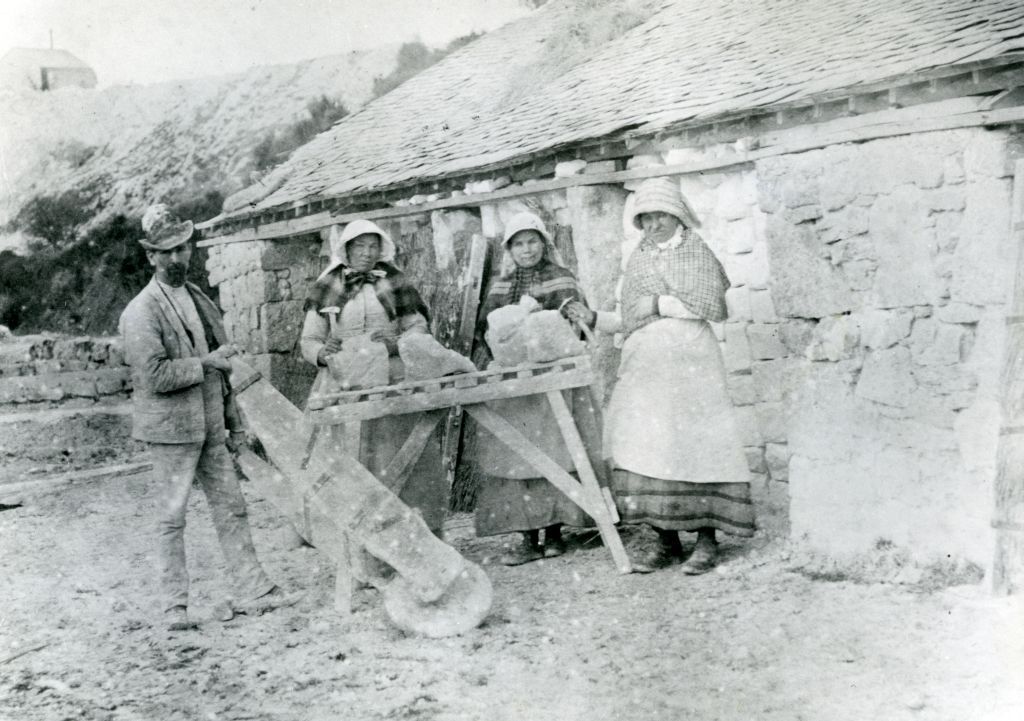
In mid-Cornwall, women might be employed at the clay works. There were 163 such women, included here in the total for bal maidens. Over half of these lived in the one parish of St Austell and even there, they were well outnumbered in 1861 by women working at the local tin and copper mines.
If you have found the material on this site of use then you may be interested in my recent books published under the Coserg imprint. For a list see here.
 Cornish studies resources