Whereas 18 per cent of men in the Cornwall of the 1860s worked in manufacturing, this classification encompassing a broad range of activities, around 13 per cent of unmarried women were found in the same sector, but largely concentrated in just one branch – the production of clothing. However, that 13 per cent is probably a gross underestimate as those paid to make clothing would shade into unpaid others providing clothes for the rest of their household.
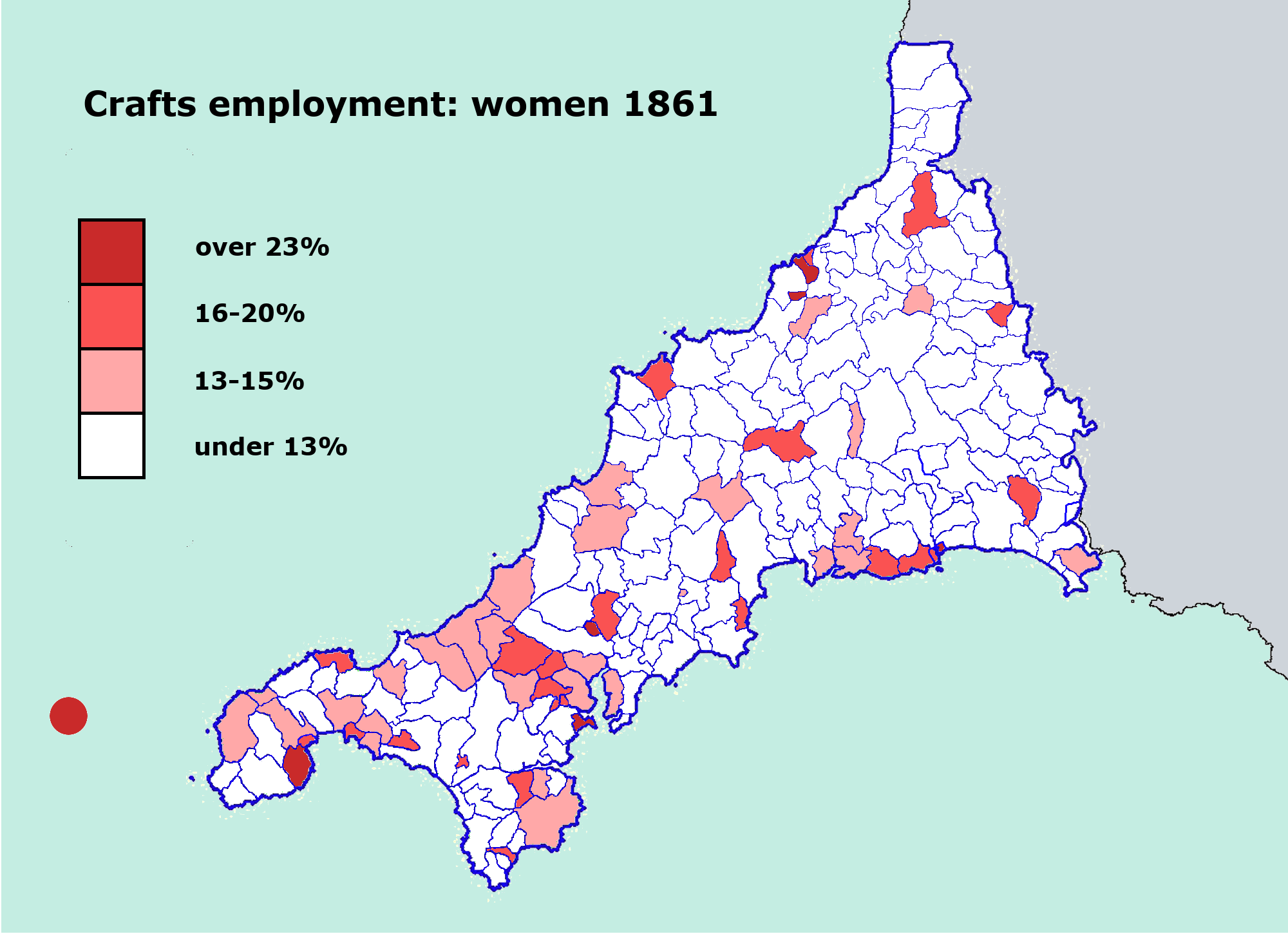
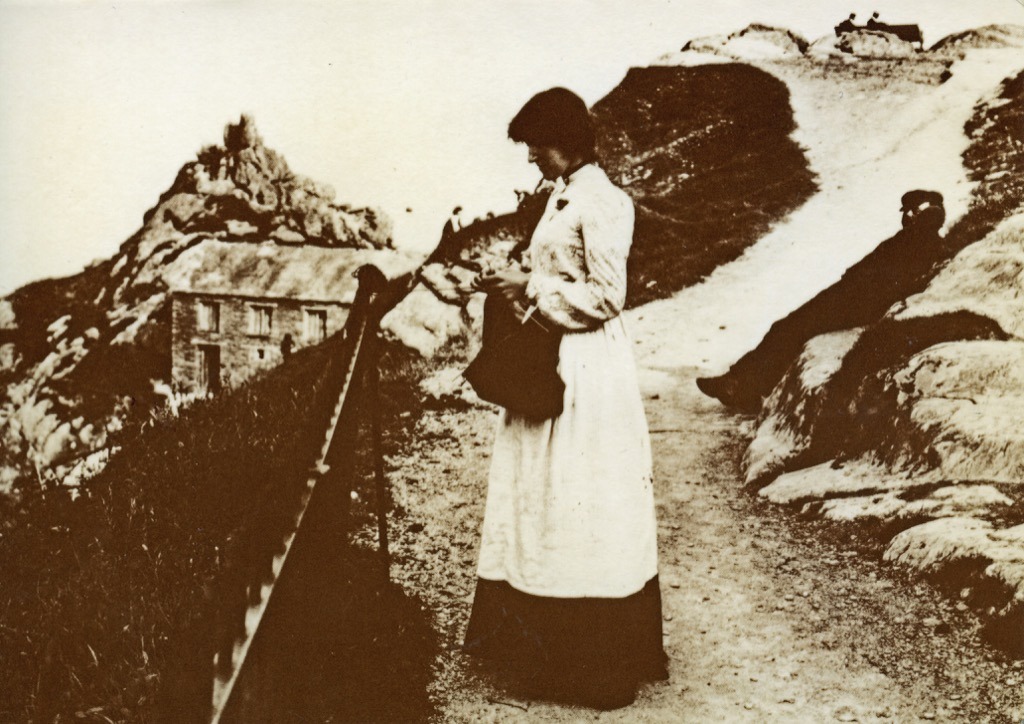
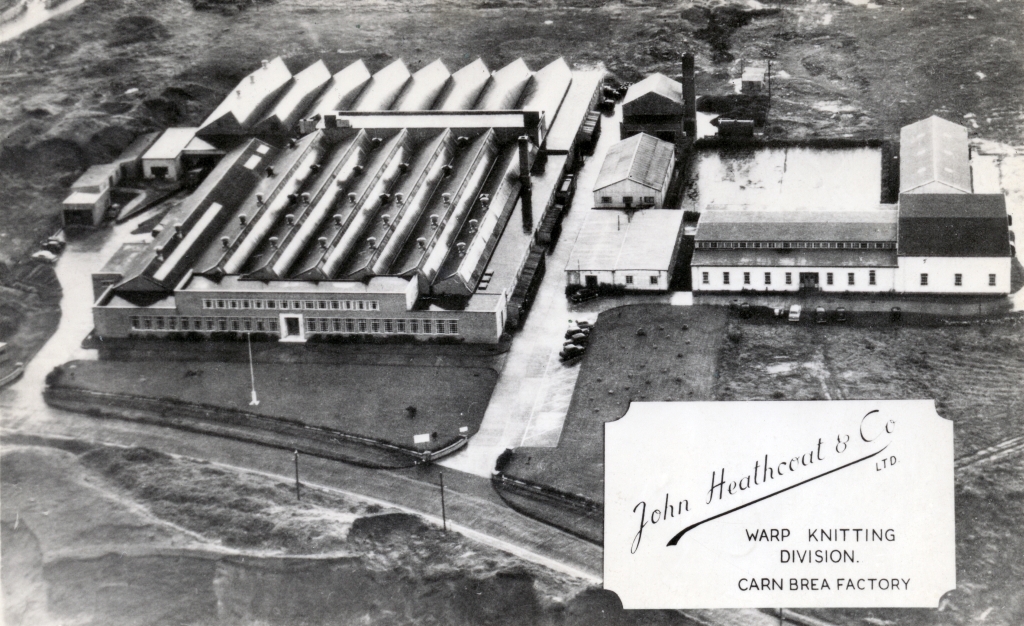
Dressmakers, milliners, seamstresses, tailoresses, needlewomen and similar were present in all parishes, although the proportions so described in the census were noticeably higher in west than east Cornwall and in the towns rather than the countryside. In those places other callings were sometimes available to supplement the ubiquitous dressmakers and their numerous sisters. Women could be employed as bootbinders for example, as at Truro. In the Camborne-Redruth area there was the possibility of some factory work, especially in the safety fuse factories that took on a large number of women. Or they could make some of their living from knitting and net-making in the coastal parishes.
The latter factor helps explain why the highest proportion of women found making things in 1861 was actually on Scilly, while Paul, including the fishing ports of Newlyn and Mousehole, Falmouth and East Looe were also high on the list. These were places where a quarter or so of unmarried women were recorded as engaged in manufacturing, double the average rate.
If you have found the material on this site of use then you may be interested in my recent books published under the Coserg imprint. For a list see here.
 Cornish studies resources
It is easy to forget the manufacturing element in fishing areas.
LikeLike