In the centuries before the 1600s Helston was one of the two most important market towns west of Truro, the other being Penryn. Falmouth and Penzance were not on the map until the 1500s while Camborne and Redruth were just small churchtowns indistinguishable from the scores of others scattered over the inhospitable and lightly populated open land and commons of Kerrier.
However, after 1600 Helston was overtaken by the above-mentioned towns. In the 1800s, well away from the main railway route though Cornwall, Helston stagnated. In the late fifteenth and sixteenth centuries it had been one vertex of Cornwall’s revolutionary triangle along with Penryn and St Keverne on the Lizard. This district, with its independent and unruly peasantry, was quick to take the lead when it felt affronted by the demands of the central state, be they excessive taxes or unwanted religious reform.
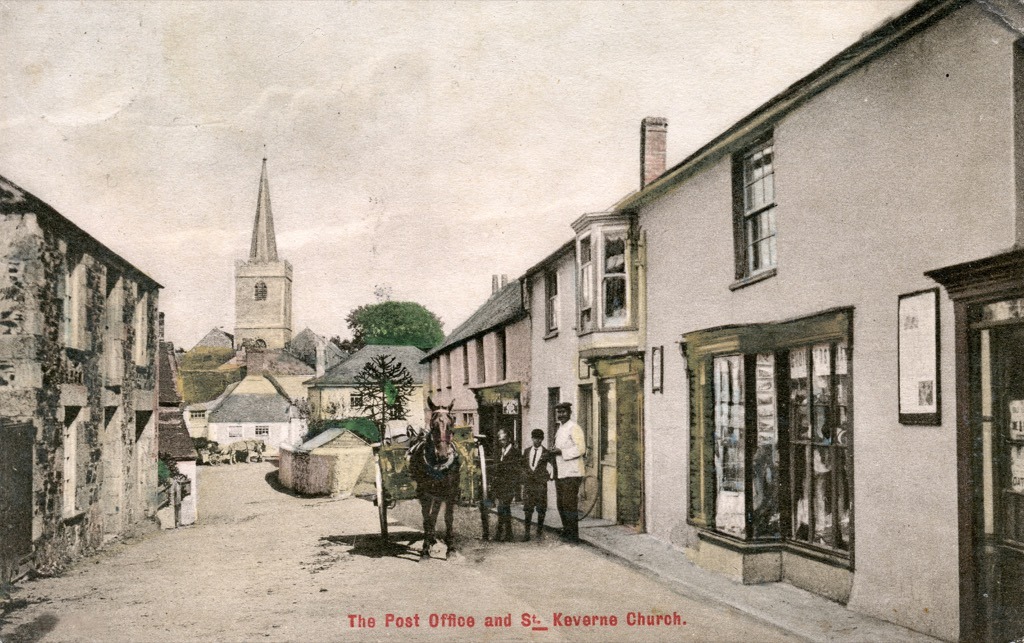
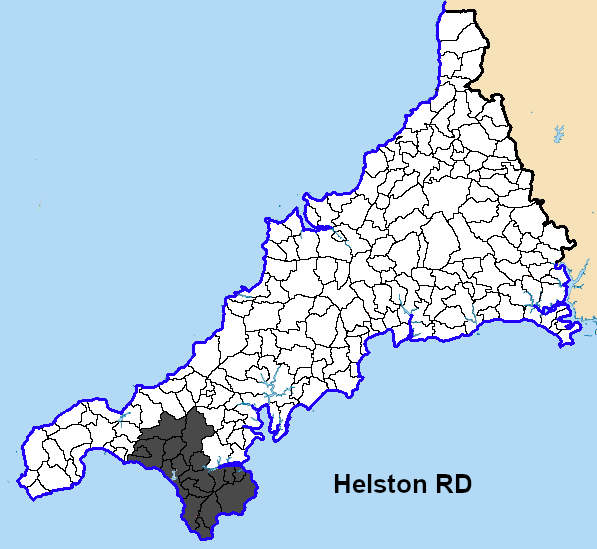
By the mid-nineteenth century, there was little sign left of this turbulent spirit in the Helston registration district (RD). Nowadays, there is even less. The Lizard is no longer the haunt of rebels but of holidaymakers and second home owners who drive their SUVs into Helston to shop at one of the edge of town supermarkets. The coast is rapidly being gentrified and Helston itself long ago settled into a bland conservatism.
After treading water for a couple of centuries, the town’s population rose from under 3,000 in 1921 to over 12,000 a hundred years later, most of this coming after the 1950s. This is set to continue, as plans are afoot to continue to bury large swathes of the countryside east of Helston under acres of housing to meet demand from well outside the local area or, indeed, the region.


Meanwhile, the migration patterns of the generation born around 1850 in the Helston RD looks unexceptional. The numbers emigrating almost exactly matched the Cornish average; the proportion living in the parish of their birth in middle age also mirrored the mean. The significant differences revolved around the propensity to move within Britain. Helston’s children, particularly its girls, were more likely to move to other places within Cornwall rather than travel further to settle across the Tamar in England.
 Cornish studies resources
Thank you for this great post. I would be interested in knowing the history of the mining workers from that area who went abroad (South America specifically) with the Brazilian Mining Company. Could you offer me some guidance where to find information please? More e specifically the Samuel Hosken family. Thank you in advance.
LikeLike
You need to try to access Sharron Schwartz’s book, The Cornish in Latin America (2016). She has a website at https://www.cousinjacksworld.com/sharron-schwartz/
LikeLike